Record the year and scope of each update separately. A new breaker panel can leave old branch wiring, and an interior repipe can leave the exterior service and drains untouched. A contractor’s itemized invoice explains which portions changed.
Give each part its own date
A kitchen renovation in Nashville may have brought fresh wiring to the appliances, replaced two water lines and left the rest of the original house untouched. An insurance application may ask what year the electrical and plumbing systems were updated. Before entering the renovation date twice, ask for the invoices behind it.
Build a simple list by component. Use separate lines for the electrical service, panel and branch circuits, for the water supply, drains and sewer lateral, and for each heating or cooling unit. Add the contractor, date, location and scope. If the work was partial, name the rooms it served. If the contractor opened walls, their progress photographs may show details the home inspector could not see.
A breaker panel tells part of the electrical story
The service brings electricity to the building. The main panel distributes it to branch circuits serving the rooms and appliances. A new panel can leave older conductors in place. A renovated addition can have its own newer circuits while the original bedrooms retain earlier wiring. A 200-amp panel label alone cannot establish the material, condition or replacement date of those branch circuits.
If a report flags aluminum wiring, ask a qualified electrician exactly which conductors are involved. The U.S. Consumer Product Safety Commission’s repair guidance addresses certain older small-gauge solid aluminum branch wiring. It distinguishes that issue from larger aluminum conductors used for service entrances or certain appliances. Give the insurer the electrician’s description, area served and any remediation method and completion documentation. A general statement that the house “has aluminum” leaves out the most important information.
For a quote, a photo of the intact panel exterior and a readable existing service label may be enough to start. Ask the agent what else the insurer needs and arrange professional documentation if it wants information inside. Leave covers, outlets and wiring in place. Repeated breaker trips, a burning smell, unusually warm outlets or flickering on a particular circuit deserve prompt professional attention. For smoke or fire, get outside and call emergency services.
Trace supply and drains as separate systems
Supply lines bring pressurized water to fixtures. Drains carry used water away. The buried service from the utility or a private well, the interior distribution pipes and the building sewer can have entirely different histories. A plumber who repiped the interior with PEX may have left the incoming service and older drains in place. Replacing a leaking bathroom trap establishes almost nothing about the kitchen or laundry.
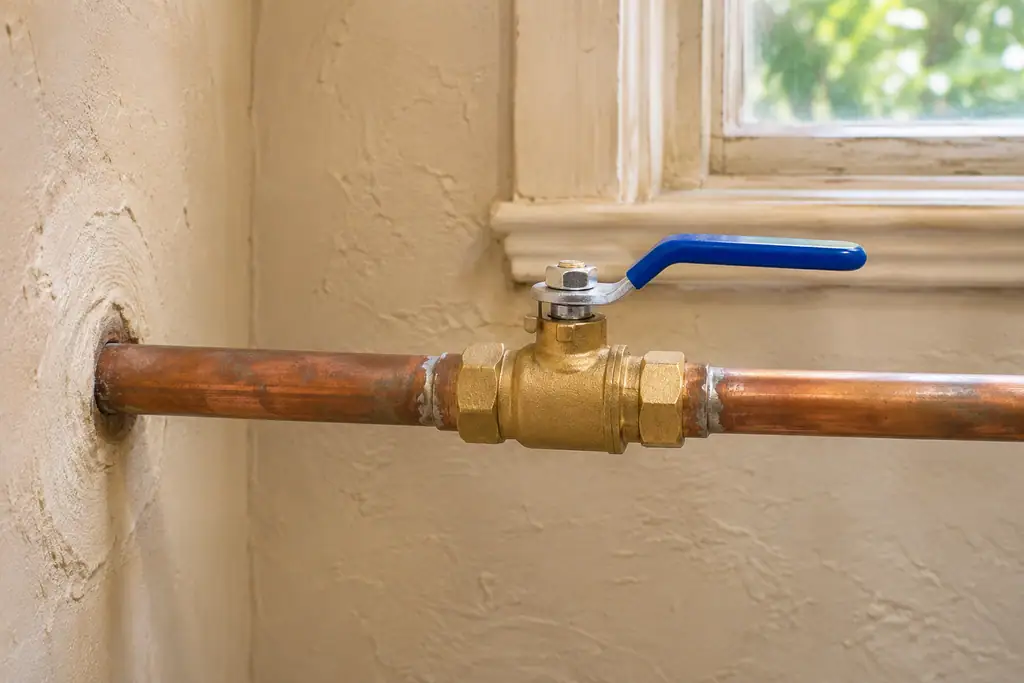
Ask a plumber which materials they could identify, where a transition occurs and what remained concealed. Write down the interior main shutoff location and learn its use from someone familiar with your plumbing. A shutoff serves little purpose to a house sitter who cannot find it. For a sprinkler or other special system, have the contractor explain which valves can be used for a domestic leak without disabling required protection.
A wet cabinet can have several causes. To the carrier, a sudden supply-hose rupture, a slowly dripping valve and wastewater coming up through a drain may involve different provisions. Record the observed facts and time. Keep the plumber’s explanation and photos, and tell the insurer promptly when a loss occurs. Ask about access to the damaged pipe, resulting damage to finishes, the pipe itself and any applicable limit.
Tell Your Insure Cure, LLC about this home and when you need coverage.
Compare my coverageLook above the ceiling when checking the cooling system
A split system may have an outdoor condenser or heat pump and an indoor air handler or furnace. An invoice for the outdoor unit can leave the age of the indoor unit uncertain. Record model and installation year for each identifiable unit. On a house with separate upstairs and downstairs zones, note which rooms each unit serves.
Cooling equipment produces condensate. A clogged drain at an air handler above a finished ceiling can damage drywall and insulation below. Ask your HVAC professional to identify the primary drain, any auxiliary pan or overflow alarm, what shuts the equipment down if the drain blocks, and where to look for an early warning. During seasonal maintenance, ask whether the condensate path was checked. An exterior unit replacement rarely tells you what happened to that drain.
For a gas furnace, have a qualified technician evaluate combustion and venting as part of routine service. Record ductwork replaced or retained, and describe other heat sources such as a permanently installed wood stove when requesting insurance. Ask what professional installation, inspection or clearances the insurer wants documented for your setup.
Follow one winter outage through the house
In December 2022, the National Weather Service recorded an arctic front bringing some Middle Tennessee locations below zero. Consider what a prolonged outage would do to the plumbing on the far side of your own house. A line in a vented crawlspace, an outside-wall laundry connection and an unfinished bonus room may have very different protection from the thermostat in the central hallway.
Before leaving a house empty or under renovation, tell the agent the dates and actual occupancy. Ask how the contract handles frozen pipes, reasonable care to maintain heat, and any requirements for shutting off or draining plumbing. A contractor can plan winterization for that particular system. A leak sensor that sounds locally has limited value in an empty house unless someone can hear it. For a connected alarm, identify who receives the notice and what happens when Wi-Fi or power is down.
| Record says | A precise entry for a quote |
|---|---|
| “Electric updated” | Main panel replaced in 2021. Kitchen circuits replaced. Electrician has not assessed other branch circuits. |
| “House replumbed” | Interior supply lines replaced in 2023. Drains and buried service were outside the contract. |
| “New HVAC” | Upstairs outdoor heat pump replaced in 2024. Indoor unit age unverified. Downstairs system serviced. |
| “Leak protection” | Point sensors under kitchen sink and washer send phone alerts. No automatic whole-house shutoff installed. |
Use the records before paying for more work
An agent can often begin with the build year, known updates and a brief explanation of what is outstanding. Ask the company what documentation would answer its specific question before ordering a blanket upgrade or inspection solely for insurance. If you are trying to keep a closing on track, note the deadline and share existing reports promptly.
Ask the agent to compare terms for sudden water damage, service-line coverage and equipment breakdown where available. A service-line endorsement can define covered buried property by ownership and location. Equipment breakdown has its own definition and exclusions. Have the agent explain which of your components each endorsement could address, what deductible applies, and what happens if age, corrosion or ordinary wear caused the failure.
Bring to a quote review
- Record a year, scope and source for each system and each partial update.
- Keep photos of intact labels and contractor reports on concealed work.
- Locate the main water shutoff and learn which alarms can reach you while away.
- Share the actual occupancy, primary heat source and documentation gaps with your agent.
Homeowner questions
Is replacing the breaker panel a complete electrical update?
No. A panel replacement documents the panel work. Ask which branch circuits and conductors were replaced, inspected or left in place.
What if I have aluminum service conductors?
Ask an electrician where the aluminum is and what type it is. Older small-gauge branch wiring is a different issue from a service conductor.
Does repiping include the sewer?
Only if the contract includes it. An interior supply repipe, drain replacement and sewer lateral work are separate scopes.
Will a leak alarm turn off my water?
Only a system equipped for automatic shutoff can stop the water. Some devices send alerts or sound an alarm. Ask the installer to demonstrate your system.
Does insurance pay for a furnace that wears out?
Ordinary wear is generally the owner’s expense. If a particular failure caused additional damage, ask how the policy and any equipment-breakdown endorsement address that event.
Can I request a quote without a system’s exact age?
Yes. Explain what you know, how you learned it and what remains unknown. The agent can tell you whether the particular company needs additional evidence.
Sources & local resources
- CPSC · Repairing aluminum wiring
- ENERGY STAR · Heating and cooling maintenance checklist
- EPA WaterSense · Leak detection and flow monitoring
- National Association of Insurance Commissioners · Frozen pipes and resulting water damage
- National Weather Service Nashville · December 2022 arctic cold blast
- Tennessee Department of Commerce & Insurance · License lookup and regulatory portal