Record what the tree struck, which equipment failed and when the power went out. Building damage, debris removal, damaged landscaping and spoiled food can each have different terms, even when one storm caused all four.
Follow the chain from limb to loss
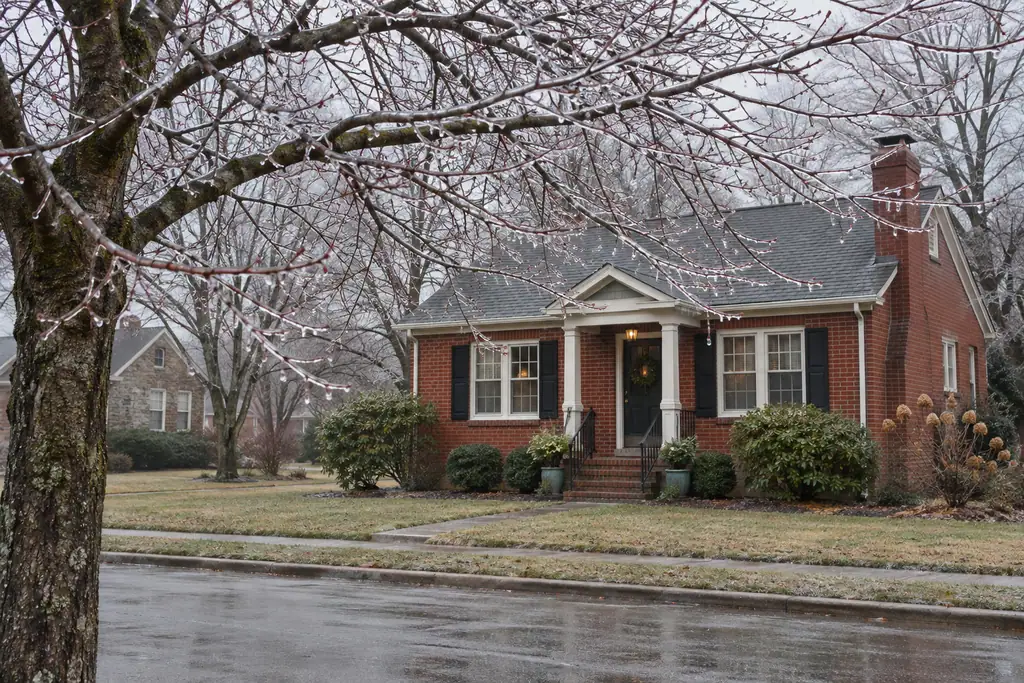
During the Nashville ice storm of January 24–25, 2026, ice damaged trees and power lines, leaving many households without electricity during freezing weather. A branch on the roof and a house without heat were two different problems during the same event. For a homeowner with an electric well pump, a basement sump or plumbing in an exterior wall, the service interruption created another set of concerns.
Picture a mature oak over a one-story addition. A limb breaks through the covering. Meltwater follows the roof deck into the ceiling, the service mast is bent, and a contractor must lift the limb before anyone can close the opening. Those are at least four tasks, with potentially different contractors and coverage questions. Ask about impact damage, tree removal from a structure, resulting interior damage and loss of use when covered damage makes the house uninhabitable.
Survey the trees from the ground
Look at the trees from each side of the house on a calm day. Which limbs extend over sleeping areas, the detached garage, power service, a propane tank or the only driveway? Photograph the general setting from a safe spot. Note a recently changed lean, fresh cracking at a major fork, dead or hanging limbs, exposed roots and soil lifting on one side of the trunk. Give those observations to a certified arborist. They help direct the visit without requiring you to decide that a tree is unsafe.
Tell the arborist about recent changes to the property. Widening a driveway, excavating for a pool, building a retaining wall or installing a utility trench can affect roots. Record when the work took place and where it passed the tree. Ask for a written description identifying each tree, the observed condition, recommended work and when to reassess it. Save the completed invoice and photos of the work.
For a tree or limb near overhead lines, contact the utility first. Keep people away from suspended limbs and fallen wires. Equipment, wet branches and fences can create electrical hazards. Tennessee’s forestry office recommends professional help where trees threaten structures or power lines. An overhanging branch can sometimes be managed with pruning. Ask the arborist what a site-specific measure can achieve.
Name the property that was actually damaged
A contractor’s “tree cleanup” estimate can include lifting a trunk off the house, moving it to the street, chipping branches and grinding the stump. Ask for separate prices where practical. The home policy may respond differently to work needed to free a covered structure and to general cleanup or landscaping. Some contracts allow limited removal in other situations, such as access blocked by a fallen tree. Ask for the applicable section and limit.
| Where the tree landed | Information the agent or adjuster needs |
|---|---|
| On the house or attached porch | Photos from a safe distance of the contact point, any opening, damaged room below and urgent work performed. Ask about lifting, haul-away and roof repair separately. |
| On a detached garage or fence | The structure’s use, dimensions, construction and damage. A separate structures limit or fence settlement term may matter. |
| Across a drive or on open grass | Whether the drive is the only access and whether any insured structure was hit. Ordinary yard debris removal may be outside the policy or subject to a limited provision. |
| On a car in the driveway | Vehicle insurer and comprehensive coverage details. The home and auto policies address different property even at the same address. |
Tell Your Insure Cure, LLC about this home and when you need coverage.
Compare my coverageCheck what fails when the power stays off
Write down the equipment the house depends on. A sump pump can stop while water is still draining toward the basement. A well may stop supplying water. Electric heat, furnace controls or a circulation pump may stop working. If the owner is traveling, a thermostat app may go offline at the same moment it is needed. Make a plan for a trusted person to check the property safely and for a plumber to advise on freeze protection for exposed lines.
Find out whether the backup source powers the well, sump or furnace controls. A generator sized to run selected circuits may leave other equipment off. Have an electrician identify the supported circuits and explain the transfer system. Use portable generators only outdoors, directed away from openings and more than 20 feet from the home, doors and windows, per NOAA guidance. Never operate one inside a garage. Keep working carbon-monoxide alarms available.
For the quote, ask how the policy treats a freeze-related pipe loss when the home is unoccupied and what duties apply to maintaining heat or shutting off and draining water. Ask about refrigerated food, the cause and location of a power interruption, and any endorsement limit. Check whether temporary lodging depends on physical covered damage to the house. A hotel bill after an outage and a hotel bill after a tree destroys a bedroom can receive different treatment.
Record lightning and electrical damage safely
Thunder means lightning is close enough to seek shelter. Go inside a substantial building or an enclosed hard-topped vehicle. Stay sheltered for at least 30 minutes after the last thunder. Inside, avoid using wired equipment or plumbing during the storm. If you see smoke, smell burning or suspect a fire, leave and call 911. An electrician should assess damaged wiring, service equipment and affected circuits before equipment is returned to use.
After the property is safe, list which systems failed and when. Did the garage door opener, HVAC control board and network equipment all stop responding immediately after the same thunderclap? Did the neighborhood also lose power? The timing helps a technician investigate, but it cannot by itself distinguish a direct lightning strike, utility surge or ordinary component failure. Ask for the diagnostic report and for the technician to separate cause, repair scope and replacement options.
Save the model and serial numbers, original receipts if available, and photos of affected devices before disposal. Ask the insurer what it needs to inspect or retain and how to handle unsafe or perishable items. If you work from home or keep a recording studio, identify who owns the equipment and whether it is used in a business. Personal-property limits and business-property terms can differ.
Build a simple record without slowing emergency work
Start a dated log with where you were, what you saw first, and what emergency responders or the utility told you. Take wide photos to establish location, then closer views once safe. For temporary repairs, save the name of the person who authorized the work, the scope, invoice and time. Capture the work needed to stop further damage and the permanent repairs as separate entries. Keep receipts for any displacement expenses and ask which are eligible.
When a claim involves several parties, make one list of the home claim number, utility service request, contractor, electrician and any auto claim. If a neighboring tree fell, document where it stood and what it struck, and notify your own carrier. The location of the trunk alone does not resolve who is legally responsible. Provide any earlier written concerns and photographs so the insurer can investigate the facts.
Bring to a quote review
- Record trees over the house, outbuildings, electrical service and the only access route.
- Keep the arborist’s written findings, work invoices and dated photos.
- Write down the devices and systems that lose power, including the well and sump.
- Locate endorsement terms for debris, food spoilage, backup, freezing and loss of use.
- Keep tree lifting, haul-away, temporary covering, electrical diagnosis and permanent repairs itemized.
Homeowner questions
Will homeowners insurance pay to remove a leaning tree before a storm?
Preventive tree maintenance is generally an owner expense. A certified arborist can advise on the hazard. If damage has already occurred, ask the insurer how to document emergency work and applicable benefits.
Does living in a wooded neighborhood automatically make a house uninsurable?
No. Insurers review the property and their underwriting rules. Dated tree maintenance and an arborist’s findings can help explain the current condition.
Where should I keep records if the house has no power?
Keep a short paper contact list and an accessible copy of the policy, inventory and key photos away from the property. Make sure another household member can find the utility and claims numbers.
Sources & local resources
- Metro Nashville · January 25, 2026 winter weather update
- Tennessee Division of Forestry · Storm-damaged trees and professional assessment
- NWS · Lightning safety
- NOAA · Power line and generator safety after storms
- Tennessee Department of Commerce and Insurance · Claims, contractors and storm recovery
- Tennessee Department of Commerce and Insurance · Documenting the claims experience