High-value home insurance in Middle Tennessee
Request a coverage review for a multimillion-dollar home or custom estate. Start with the cost to rebuild the residence, the other buildings on the property and the details you want preserved.
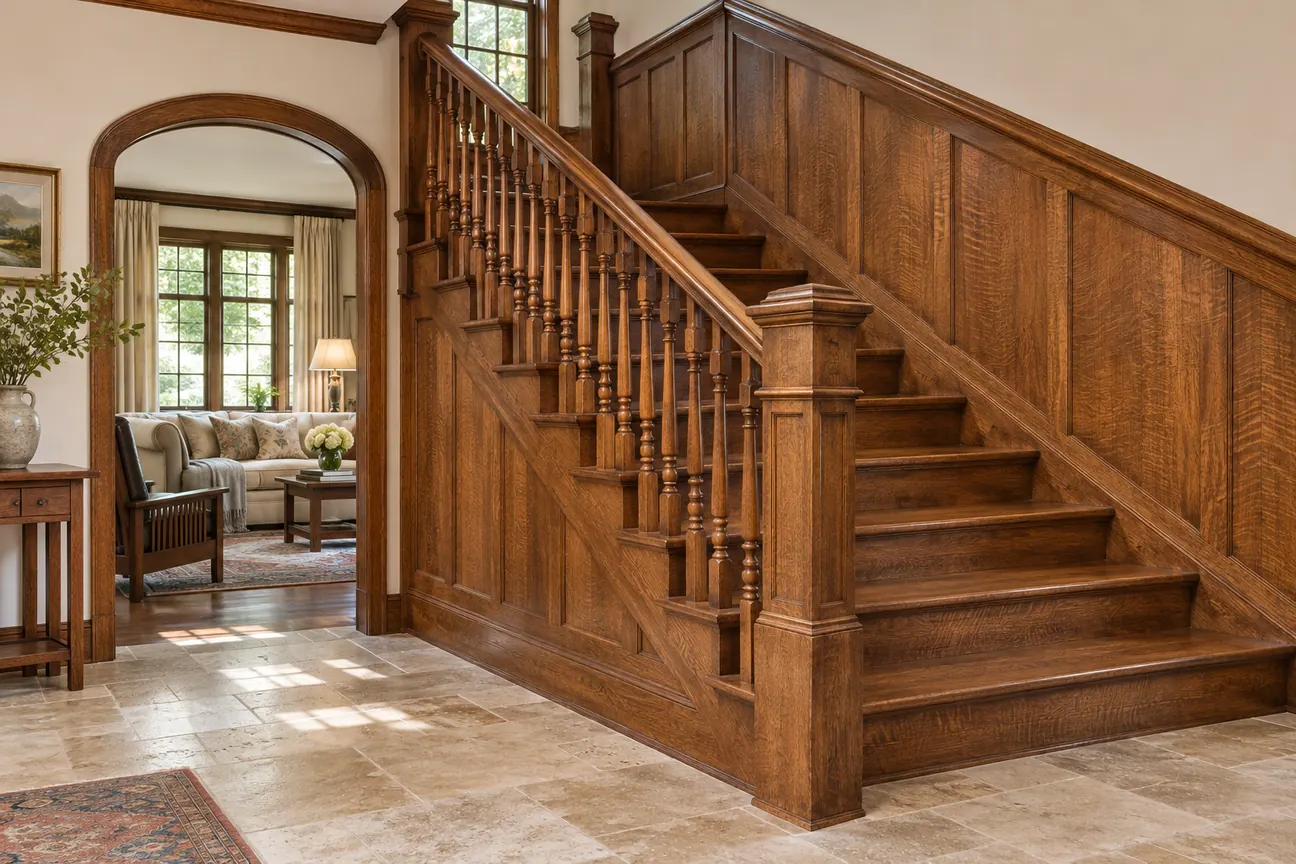
What would the builder have to put back?
If you own a custom home in Brentwood, are closing on an estate in Williamson County or have restored a house in Nashville, tell us the address, when you need the coverage and one feature a builder would have trouble reproducing. That could be a hand-cut limestone stair, steel windows made to fit arched openings or a recording room isolated from the house framing. Tell Your Insure Cure, LLC what you know now. We can discuss which records would improve the estimate.
A sale price includes the land and the appeal of the location. A reconstruction estimate prices the labor, materials and professional work needed to put the house back. Ask for a copy of the insurer’s estimate and check how it describes the roof, windows, cabinetry, masonry and finished lower level. If it lists an asphalt roof where you have slate with copper valleys, send the roof specification and request a revised estimate before you compare premiums.
Give each building its own line
Walk from the house to the property line. List each detached building, its approximate rebuild cost, and who uses it. A carriage house with an apartment over three garage bays takes a different repair budget from a three-car shell. For a pool house, include the bath, mechanical room and outdoor kitchen. If a barn boards someone else’s horses, a guesthouse earns rent or a studio hosts paying clients, give the agent those facts and ask how each use is treated.
Suppose a proposal shows $3 million for the residence and one shared $300,000 limit for detached buildings. Your contractor estimates $210,000 for the carriage house and $165,000 for the pool house. Together they total $375,000, or $75,000 above that shared limit. Ask for the cost and terms of raising the limit or listing a building separately. Those are illustrative figures. The policy controls which buildings, uses and causes of damage qualify.
Talk with Your Insure Cure, LLC about the home and the coverage you need.
Request a high-value home quoteCompare what happens after the same loss
Ask each agent to consider the same hail loss. One slope of the slate roof is damaged, and the original slate is no longer available. Ask what wind or hail deductible applies, how the policy values the damaged roof, whether it addresses matching the undamaged slopes, and what documentation it requires. If a deductible is 2% of a $3 million dwelling limit, that is $60,000. Have the agent show you the deductible base and the roof endorsement on each proposal.
For a major fire, ask how much extra the dwelling coverage can pay if a documented reconstruction exceeds the estimate. An extended replacement-cost endorsement may add a percentage or dollar amount subject to its conditions. Ask what happens if you rebuild elsewhere or choose a cash settlement. Check debris removal, required code upgrades, architect fees and temporary housing separately. A generous dwelling limit tells you little about how long you can rent a comparable home while a specialist fabricates the windows.
Plan for the features the listing photos miss
For a wine room, ask what covers the built-in room, what covers its cooling equipment and what covers the bottles if the temperature rises. Likewise, a piano used by the family raises different questions from instruments taken on tour. Gather appraisals, receipts and a rough inventory by category. Ask about individual-item limits, covered causes of loss, and whether the proposed coverage applies during storage or transit. Share detailed inventories through the channel arranged with the agent.
For a home on acreage, describe access for fire apparatus, the responding department, and the water supply. Mention a monitored alarm, automatic water shutoff or sprinkler system if installed, and ask what verification is needed. For a house in Franklin’s Historic Preservation Overlay District, consult the city before planning exterior changes. If replacement windows or roofing need design approval, ask how your policy treats those costs and how its temporary-living provision handles a long repair.
Bring the ownership and the deadline into the review
Tell the agent who holds title, who lives at the property, and which structures are used by guests, tenants or workers. If a trust or LLC owns the home, ask the agent to confirm in writing which people and entities are insured for the building and for liability. For an umbrella or excess liability quote, ask which homes, vehicles and underlying limits the insurer expects to see. Include any second residence, pool or equestrian use that should be discussed.
If a closing or nonrenewal is approaching, start with the exact date. An older roof, recent water loss or missing set of plans can be addressed during the review. Ask what needs to happen before coverage can be bound, whether a valuation or inspection will follow, and which documents the lender needs. Owners of smaller homes with custom work are welcome to use this same review.
What to bring to the agency
- Address, needed effective date, ownership as shown on the deed and how each household or guest uses the property.
- Current declarations and endorsements, including the replacement estimate, roof settlement terms and wind or hail deductible.
- Floor plans or finished square footage by level, recent builder specifications, permits, renovation amounts and dates.
- Detached-building list with dimensions, finishes, use and an estimated reconstruction cost for each.
- Types of collections or special equipment, approximate values and dates of any appraisals.
- Recent losses, repair records and available certificates for monitored fire, water or security systems.
Homeowner questions
Do I need a new appraisal before requesting a quote?
You can begin with the address, size, construction details and timing. A real-estate appraisal can help describe the house. An insurer may also request a separate reconstruction valuation or inspection, particularly for unusual materials or a recent renovation.
What if the land accounts for much of our purchase price?
Ask for a dwelling estimate based on rebuilding the house on that site. Acreage and location affect the purchase price. A steep lot, narrow approach or limited staging space can still affect construction costs and belongs in the discussion.
Can the policy be reviewed before we move into a newly built estate?
Yes. Share the construction status, expected completion, closing and move-in dates. Ask the builder and agent to identify when construction coverage ends, when the homeowners policy can begin, and any outstanding inspection or occupancy requirements.
Is a guest cottage included if family stays there?
Give the agent the cottage’s use, whether anyone pays rent, its construction and its replacement estimate. Ask which policy provision covers it, whether it shares a limit with other structures, and how a change in occupancy would affect coverage.
Will a large contents limit cover a single valuable piece of art?
Check the loss and category limits that apply to that piece, how its value is determined and whether an appraisal is needed. Ask the agent to compare listing the piece individually with covering the collection under a combined limit.
Can I request help for a smaller house with expensive custom work?
Yes. A smaller house with custom plaster, handmade windows or a specialty roof can raise many of the same rebuilding questions. Tell us what you would want recreated after a loss and when you need coverage.
Sources and resources
Ready to talk about your home?
Tell Your Insure Cure about the property and any closing or renewal deadline. If records are missing, start with what you know.