Base the dwelling estimate on the labor and materials needed to rebuild the house. Identify specialty finishes, historic review requirements and code-related work. Read the settlement and ordinance-or-law terms to see which costs may be paid after covered damage.
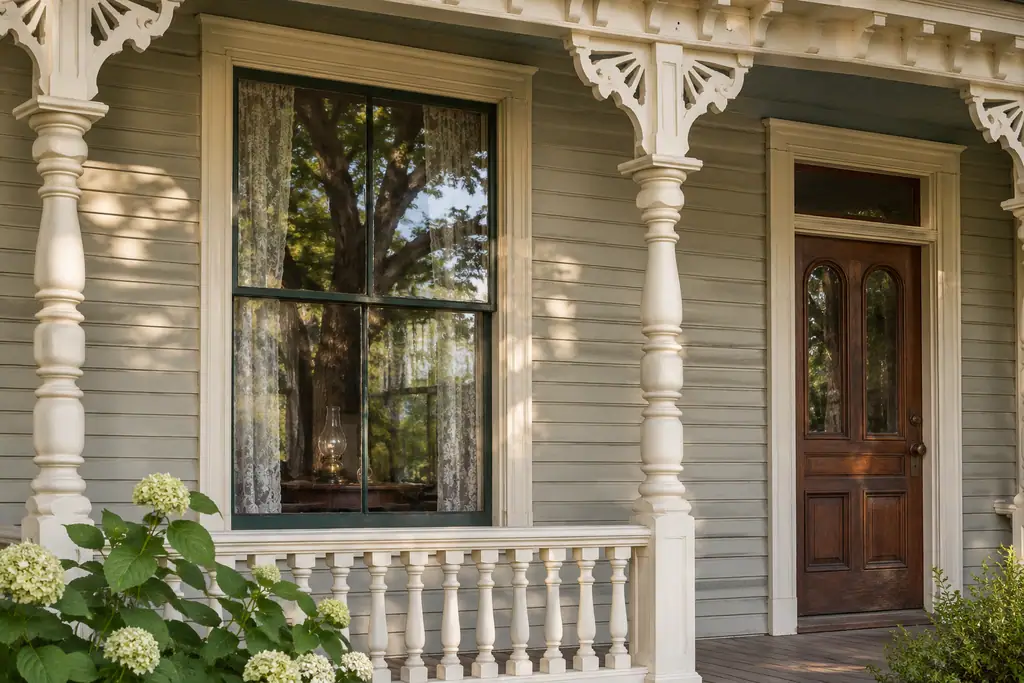
Price the house you would have to put back
A purchase price reflects what a buyer paid for the land, location and improvements together. A mortgage balance reflects the loan. Coverage A is the proposed insurance limit for the dwelling. Its starting question is what it would cost to reconstruct this particular house at this site. Two houses with the same square footage and similar sale prices can require different crews, materials and amounts of work.
Start with the carrier’s reconstruction estimate or a summary of the inputs. Look for the square-foot convention it uses. Confirm living area by level, basement area and percentage finished, plus attached garages, porches and decks. Tell the agent if the lower level is partly below grade and opens at the rear. Describing it only as “two stories” can hide a second kitchen, bathroom, interior stairs or retaining walls. Ask which structures and site improvements the dwelling limit actually includes.
Walk one room beyond the real-estate listing
Stand in the kitchen and note what would take a cabinetmaker, stone fabricator or plaster specialist to reproduce. Distinguish factory cabinets from custom-built inset cabinets. Photograph the cabinet interiors, end panels, stone edge and built-in appliances. Upstairs, record the width and species of flooring if known. Include paneled doors, wood windows, curved stairs, built-in shelves, picture rails and any ornament that would require a pattern to recreate. A single “premium finish” checkbox can conceal meaningful differences between rooms.
Outside, note roof shape as well as its material. A simple gable and a roof with turrets, dormers, intersecting valleys and custom metalwork require different labor. Record porch columns, standing seams, copper gutters, slate roofs and masonry chimneys where present. Describe which walls are solid masonry and which are framed with a brick exterior if you have reliable construction records. If uncertain, say so. Save plans, finish schedules and dated photos somewhere accessible if the house is lost.
Unpack a custom-home estimate
A standardized estimate is a starting point. If a contractor’s higher estimate includes a new addition, land improvements or a redesign, separate those costs before comparing. If it includes scaffolding or access costs the model omitted, identify them in writing. For unusually complex homes, ask whether the carrier accepts an independent reconstruction appraisal and what qualifications and detail it expects. A purchase appraisal can have a different scope.
| Feature to verify | A question for the estimator |
|---|---|
| A walkout lower level | Does the model include the finished space, exterior doors, wet bar and bath without also counting it as an above-grade story? |
| An attached garage or breezeway | Where are the structure, finished apartment and connecting roof counted? Is a separately used apartment acceptable? |
| A steep or tight lot | How does the estimate handle equipment access, staging, lifting, demolition and debris removal? |
| Original windows and plaster | Does valuation assume comparable wood sash and plaster, or readily available substitutes? |
| Outdoor improvements | Which limit could apply to the detached pavilion, fence, pool, retaining walls and landscape, and what exclusions apply? |
Tell Your Insure Cure, LLC about this home and when you need coverage.
Request a high-value home quoteRead what “replace” means in the contract
A replacement-cost provision can pay for comparable repair or reconstruction after a covered loss, subject to limits, conditions and the amount spent. A functional replacement provision can allow modern alternatives that perform a similar job. For someone who values original materials, the difference between plaster and drywall or between custom wood sash and a standard unit deserves a written answer before a loss. Ask what settlement would apply if you rebuild elsewhere, decide against reconstruction or complete only part of the work.
Extended replacement cost can make an additional amount available under stated conditions. On an illustrative $700,000 dwelling limit, a 25% extension is a maximum additional $175,000 if the policy’s conditions are met. Confirm the percentage, the conditions and whether recent additions must have been reported. An inflation adjustment that increases the limit over time is a different feature. Neither number answers whether a particular ordinance expense is covered.
Read the ordinance or law provision before demolition starts
Imagine a covered kitchen fire that opens a wall and exposes older wiring. The cost to repair fire-damaged wiring and the extra cost of meeting an enforced requirement can be different parts of the estimate. Ask whose written requirement the adjuster needs, what increased construction or demolition costs the endorsement addresses, how it treats an undamaged portion affected by the work, whether the limit is additional and whether it applies to detached buildings. An endorsement does not automatically pay to modernize the entire house.
In a City of Franklin historic preservation overlay, the city directs owners to contact its historic preservation staff before building permits are issued. Franklin’s Certificate of Appropriateness guidance identifies examples including window replacement and certain roofing and siding projects. Confirm whether your parcel lies in the overlay and what review the actual project requires. An old house elsewhere in Williamson County may have a different permitting authority. Ask the agent how the policy treats documented preservation requirements. An owner’s preference for exact replication and a legally enforced requirement are different cost questions.
Put real numbers to that provision. Suppose covered fire damage requires a repair, the local official requires an upgrade as part of the permit, and the contractor itemizes $38,000 solely for that required work. On a $300,000 dwelling limit, an ordinance-or-law allowance equal to 10% would be $30,000. If every dollar of the $38,000 qualifies and no other limits apply, $8,000 would be above that allowance. Ask whether the limit is shared with required demolition or debris removal, and whether a higher allowance is available. Keep the written requirement and the itemized estimate together.
Budget for the time out of the house
Additional living expense coverage generally addresses qualifying increases in living costs when covered damage makes the house uninhabitable. Ask about the dollar limit, time limit, documentation and whether the expected restoration time includes specialty work or approvals. A custom window order can lengthen a project even when the structure is sound. A household that needs an accessible rental or temporary boarding for pets should discuss those foreseeable needs while reviewing terms.
Revisit the estimate after a porch enclosure, finished lower level, pool house or extensive kitchen renovation. At renewal, ask for a list of material changes in limits or settlement provisions. Save the accepted estimate alongside the policy in a separate digital location. It will give the next agent a factual starting point and let you spot changes that a one-page renewal notice cannot explain.
Bring to a quote review
- Review floor area, foundation type, roof complexity and finish quality against plans or photographs.
- Identify detached buildings and outdoor improvements separately.
- Ask for settlement language, extended limits and ordinance or law terms.
- Verify jurisdiction and any historic overlay with the planning office.
Homeowner questions
Should my dwelling limit match the purchase price?
Base the dwelling limit on the estimated cost to rebuild. The purchase price also reflects land and location. Review which attached structures and finishes the estimate includes.
Does a historic designation mean the insurer will reproduce every detail?
No. The settlement wording, enforced requirements and policy limits govern. Ask the agent to compare those terms with the materials and specialist labor your house needs.
What if part of the house was renovated?
Identify the rooms and systems that changed, the dates and the costs. A renovated kitchen does not change the age of every system.
Does replacement-cost coverage pay every required code upgrade?
No. Ordinance-or-law coverage addresses qualifying extra costs of complying with enforced requirements after covered damage. Its dollar limit, triggers and eligible work can differ from the dwelling’s replacement-cost coverage.
Which records help document the cost of reproducing historic trim?
Photograph representative profiles, note dimensions and material, and keep any joinery drawings or quotes from a restoration contractor. Ask whether the reconstruction estimate includes custom fabrication, specialist labor and the finishes around the trim.
How do I compare temporary housing for a lengthy restoration?
Ask for the additional-living-expense dollar limit, time limit and qualifying circumstances. Work through an example using the additional cost of a suitable rental and the expected time to obtain approvals and specialty materials.
Sources & local resources
Ready to review your home insurance?
Your Insure Cure, LLC can review your property, the coverage you have now, and your deadline. Start with what you know about the house.