Give the agent separate dates for closing, construction, move-in and any rental. Each phase changes who occupies the home and what work takes place. Obtain the lender’s required evidence of bound coverage before closing.
Start the insurance conversation when the contract is signed
For a Middle Tennessee purchase, the closing date is only one date that matters. Write down when ownership transfers, when you take possession, when the seller leaves, when substantial work begins and the first night someone will live there. Flag a seller rent-back, delayed occupancy, vacant renovation or plan to rent a part of the house. If the dates are estimates, say so. They determine what the agent needs to discuss with underwriting and what proof the lender needs.
Ask the lender or loan officer for its written insurance instructions. Record the required document, mortgagee clause, loan number, effective date, deductible limits, acceptable insurer requirements and any flood determination. The Consumer Financial Protection Bureau recommends showing the lender the quotes under consideration. A loan officer may accept one insurer’s deductible yet need clarification on another proposal’s roof restriction. Resolve those questions while you still have time to change terms.
Get the inspection details the quote needs
A general inspection may make a qualified estimate of roof age rather than verify an installation date. Ask the seller for invoices, permits or a warranty identifying the roof work and the slopes replaced. Check whether an addition has a different roof or foundation. Describe water marks, damaged siding, electrical concerns and incomplete work as reported, along with any follow-up by a qualified professional. Existing damage is relevant even if the purchase contract makes repairs the seller’s responsibility.
Distinguish a seller credit from completed work. A $12,000 closing credit for a roof does not change its age on closing day. Give the agent the current condition, the scheduled replacement date and documentation the contractor will produce. Ask if the insurer will bind the existing home, what temporary limitations would apply and what it requires to revise the policy after repairs. If a seller agrees to finish a job before transfer, identify the person responsible for delivering the paid invoice and photos.
Assign the coverage dates for each phase
Ask the agent to confirm each transition in writing. If the closing moves, notify the lender, insurer and settlement professional promptly. A binder can serve as temporary evidence when issued and accepted, but a quote or application alone is not proof of coverage. Ask whether payment is due before binding, collected at closing or paid from escrow. Save the accepted evidence and confirm the carrier recorded the payment.
| Phase | Questions for the agent, lender or contractor |
|---|---|
| Seller stays after closing | Who owns the property, who occupies it, for how long and under what written arrangement? |
| Buyer owns an empty house before moving | When did furniture and residents leave, are utilities on, how is it checked and what does the insurer require? |
| Kitchen remodel while occupied | Can the existing policy continue? What changed in cooking, heating, water or security arrangements? |
| Structural work while the family lives elsewhere | Who insures the existing building, new work, delivered materials and liability throughout the project? |
| First tenant or paying guest arrives | Is the new occupancy approved and is the correct policy in force before the booking or move-in? |
Tell Your Insure Cure, LLC about this home and when you need coverage.
Discuss my rental propertyRenovation changes the risk before it changes the value
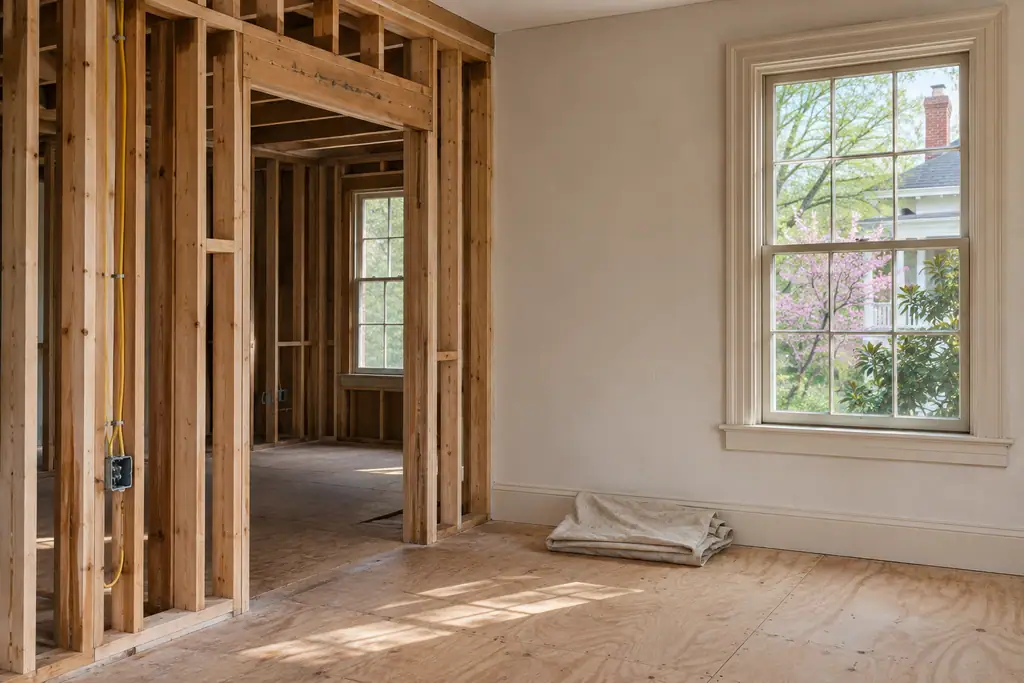
A kitchen remodel completed behind a weather-tight exterior raises different concerns from removing the roof, moving a load-bearing wall or leaving the building without heat. Provide the project scope, contract amount, start date, planned completion, contractor information, occupancy and how the site is secured. Ask about theft of uninstalled materials, water penetration during work, materials temporarily stored elsewhere and existing parts of the house. A builder’s risk policy may cover a construction project, but the precise inclusion and value of the existing structure need to be written down.
Ask who buys the project policy, whose names and interests it includes, who bears deductibles and what event ends coverage. A contractor’s liability insurance and property coverage for your house serve different purposes. Request a certificate and discuss liability, subcontractors and workers’ compensation with the relevant professionals. A certificate identifies insurance reported for the contractor. It does not itself promise that the contractor’s insurer will rebuild your home.
Imagine a buyer acquiring a 1940s cottage near Franklin and spending four months turning an unfinished attic into sleeping space. The house is empty, the roof will be open for two weeks and the original rooms remain in place. Get answers for all three exposures: the existing structure, the new construction and injuries on the site. Specify what happens if work is delayed. Before moving furniture or sleeping there, confirm the transition to occupied coverage. Update reconstruction inputs after the new space is finished.
An unoccupied house and a vacant house need a real description
Tell the insurer who last lived there and when, what furniture remains, whether heating and water are active, how often someone visits and whether there is a realistic move-in date. An empty estate property awaiting sale, a furnished home temporarily left for a hospital stay and a gutted house used as a job site have different facts. Policy language determines how it classifies the building and whether restrictions apply to theft, vandalism, freezing or other losses.
Ask which coverage changes, after what period and whether the insurer offers a vacancy permit or a different policy. Tell the agent if the home is owned by an estate, trust or entity and identify who is authorized to arrange insurance. Move-in delays and changes in construction status should be reported before an agreed deadline passes. Utility bills and occasional contractor visits by themselves cannot establish that a residence meets the policy’s occupancy requirements.
Plan for rentals before accepting a reservation
Describe whether you rent a bedroom, an accessory apartment or the whole house, how often, the length of stays and whether you occupy another unit on the premises. Ask about the building, your furnishings, injury to paying guests, damage by guests, lost rental income after a covered event and exclusions for business activity. Review the booking platform’s rules alongside the insurer’s terms, including direct bookings and periods between guests.
Metro Nashville has a short-term rental permit process, with different permit categories and an application checklist. Its owner-occupied guidance addresses proof of insurance and says a listing cannot be advertised before the permit is issued. Review the rules for the actual jurisdiction. A Franklin, Brentwood, Thompson’s Station or Murfreesboro address may fall under different rules. Permit approval and an insurer’s permission to operate are separate requirements.
Keep a closing folder that will still help at renewal
Save the quote, binding evidence, lender acceptance, receipt, roof records, inspection response, repair agreements and the issued policy. Put each renovation or change-of-use deadline on the calendar. After completion, update the occupancy, finished area, kitchen and bath quality, outbuilding use and estimated reconstruction cost. Ask if an inspection or endorsement is necessary to close the file. The most valuable final document is the insurer’s confirmation of the house you actually own and use.
Bring to a quote review
- Give the agent ownership, possession, move-in and construction dates separately.
- Get the lender’s insurance requirements and approval of the proposed terms.
- Confirm existing-building, project and liability coverage during the work.
- Secure insurance approval and any required permit before taking rental bookings.
Homeowner questions
Can I close with just a quote?
A quote alone is not proof that insurance is in force. Ask the lender what binder or other evidence it requires and which effective date it will accept.
Is a furnished home always treated as occupied?
No. Describe the actual living arrangements, dates and utilities and ask which definitions and restrictions apply.
Does the platform insure my short-term rental at all times?
Platform protection has its own eligibility, triggers and exclusions. Compare those terms with your property and liability coverage for guest stays and periods between bookings.
Sources & local resources
- Consumer Financial Protection Bureau · shopping for insurance before closing
- United Policyholders · builder’s risk during a construction project
- Texas Real Estate Research Center · vacancy and unoccupied residences
- Metro Nashville · short-term rental permit types
- Metro Nashville · owner-occupied permit application checklist
- Insurance Information Institute · short-term rentals and homeowners insurance