Start with how the water entered. A broken supply pipe, a sump that overflows and runoff entering a crawlspace raise different coverage questions. Show your agent the entry point, exterior grade and any finished space below ground.
Walk the lot from high ground to low
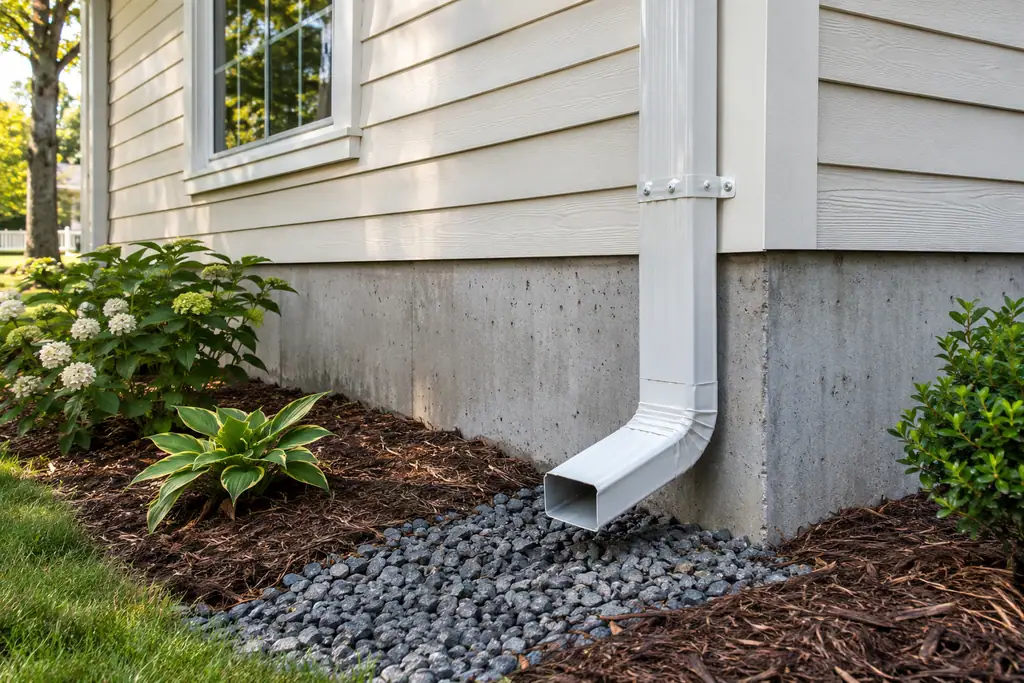
A listing’s “walkout basement” describes access to the yard. It says little about the uphill wall, the driveway sloping toward the garage, or the window well just below a downspout. Stand in a safe spot after ordinary rain and look for the path water took. Make a simple sketch showing roof runoff, pavement, low spots, doors, vents, window wells and the nearest drainage channel. Compare the front and rear grades.
During the May 2010 flood, Nashville International Airport recorded 13.57 inches of rain in two days. The National Weather Service documents both flash flooding and river flooding across Middle Tennessee. That history explains why it is worth checking the parcel and the house separately. A roof draining into one basement window well can create a problem during a far less exceptional rain. An official flood map and your drainage sketch answer different questions.
Identify each foundation and what is below grade
A slab-on-grade house places the living floor on concrete near ground level. Its low doors, attached garage and any sunken room deserve attention. A crawlspace carries the floor above a shallow space that may contain ducts, plumbing and insulation. A basement adds usable height below the house along with more wall area against soil. A split-level or addition can give one house two or three of these conditions.
Record the location of the furnace, water heater, electrical equipment, valuables and finished rooms. Describe which sides of the lowest level are below ground. A family room, office and spare bedroom in a lower level add different expenses from an unfinished utility space. A quote based on the upstairs area alone can miss finished construction. A flood policy can limit coverage there even when those improvements appear in a dwelling estimate.
Choose the response that fits the water
Bulk water running through a low opening, ground moisture evaporating into air and water condensing on a cool duct can leave the same crawlspace damp. Each has a different fix. Building America recommends correcting water entry and drainage before sealing an existing crawlspace. A ground vapor retarder helps manage moisture coming from the soil. A dehumidifier manages moisture in the air. Neither reroutes a driveway draining into the access door.
An encapsulated space needs a clear plan for how it will stay dry. Ask which work the bid includes around walls, piers and penetrations, how the contractor will manage indoor humidity, where collected water will go, and how equipment will be serviced. In a flood-prone area, check with the local floodplain official before closing vents or changing openings. Engineered or required flood openings serve a specific purpose.
| What you observe | Ask about | Record to keep |
|---|---|---|
| Damp soil and standing water after rain | Where surface water entered, how grading and discharge routes work, and whether groundwater contributes. | Site sketch and photos taken after the rain. |
| Dry soil but dripping ducts in humid weather | Air leaks, duct insulation and humidity control. | HVAC or crawlspace assessment and dated humidity readings. |
| Water beside one appliance in dry weather | Supply piping, drain connections and condensate lines. | Plumber’s or HVAC technician’s finding and repair invoice. |
| Water at a floor drain or sump during a storm | What backed up or overflowed, pump power and the discharge location. | Pump service record and plumber’s explanation of the entry path. |
Tell Your Insure Cure, LLC about this home and when you need coverage.
Compare my coverageLook past the word waterproofed
For a Brentwood walkout with the uphill side against soil, ask where the footing drain discharges. On a flatter lot near Murfreesboro, ask whether the drain reaches daylight or depends on a powered sump. Find out how to tell the pump has lost power, whether there is a backup, where its alarm goes, and who tests it. If a system discharges back near the wall, have a professional determine whether the same water could return.
When buying, request the waterproofing contract, diagram, maintenance conditions, warranty transfer terms and a history of water entry since installation. Ask what happened during the most recent power outage and heavy rain. A seller who cannot answer may still have contractor documents. Note what you verified, and keep water-damaged spaces with electrical hazards or sewage off limits until qualified help evaluates them.
Read each water coverage separately
Many homeowners policies address certain sudden, accidental plumbing discharges. Flood from outside generally requires a separate policy. Water backing up through drains or overflowing from a sump can have a separate endorsement, limit and deductible. Long-term seepage and moisture damage may be restricted. Give the agent a concrete example such as a sump overflowing during a power outage and ask them to locate the terms and exclusions for that example.
The National Flood Insurance Program uses its own basement definition, which considers whether the floor is below ground on all sides. Its basement coverage is limited. Specific building equipment can qualify under building coverage. A narrow list of items such as a washer or dryer can qualify with contents coverage, subject to the policy and installation conditions. Finished flooring, a couch and a television in an NFIP basement should not be budgeted as if the policy would replace them. For a walkout, have the agent apply the definition to the actual grades and review any other restrictions applicable to the building. Private flood policy terms may differ.
When the ground or foundation appears to move
Middle Tennessee includes areas of karst, where water has dissolved soluble bedrock. A map can put local geology in context. It cannot establish why a door sticks, a driveway dips, or a particular wall cracks. An aging utility trench, concentrated runoff, foundation movement and a natural sinkhole are different findings with different implications.
Photograph changes from a safe distance and date them. Request prior engineering reports, drainage plans and repair records. For a suspected sinkhole affecting a structure, Tennessee emergency management advises leaving the building and consulting geologic and engineering professionals. Contact the utility if its lines may be affected. Avoid approaching or filling an unstable depression to find out how deep it is.
Tennessee’s insurance department explains that qualifying homeowners insurers must make sinkhole loss coverage available for optional purchase upon request. Ask how to request it on your particular policy, whether a charge or inspection applies, and what structural damage meets the definition. Tell the agent about known movement or past remediation. Settling cracks, erosion or an isolated hole in the lawn may fall outside the applicable definition.
Bring to a quote review
- Sketch runoff paths, lowest openings, utility equipment and finished below-grade areas.
- Locate each drain, pump, discharge, backup power source and alarm.
- Keep professional findings, repair scopes, maintenance terms and dates of water entry.
- Compare flood, backup, seepage and optional sinkhole terms for your house.
Homeowner questions
Can a home outside a mapped high-risk flood zone take on water?
Yes. Review the parcel on current official maps, then examine access, the grade and where runoff goes at your house.
Does a crawlspace liner stop groundwater entry?
A ground liner limits moisture moving from soil into the air. Standing or flowing water needs its own drainage plan.
Does a sump with a battery guarantee a dry basement?
No. Battery life, pump capacity and the discharge route all affect performance. Ask how long your backup can run under the expected load.
Is a walkout always an NFIP basement?
It depends on grade. NFIP defines a basement by whether the floor is below ground on every side. Send photos of the exterior grades and walkout to your flood agent.
Should I plug an opening to keep rain out?
Have the opening identified first. Some provide required flood protection. Discuss changes with the local floodplain official and a qualified contractor.
Will my policy cover a sinkhole?
Tennessee requires qualifying homeowners insurers to offer sinkhole-loss coverage on request. Check your policy or endorsement and its definition of structural damage. A site-specific professional assessment may be needed.
Sources & local resources
- National Weather Service Nashville · May 2010 flood
- Building America Solution Center · Managing water in existing crawlspaces
- Building America Solution Center · Flood-resistant crawlspace foundations
- FEMA NFIP · Basement coverage fact sheet
- Tennessee Emergency Management Agency · Geologic hazards
- Tennessee Department of Commerce & Insurance · Residential sinkhole coverage bulletin
- USGS · Karst aquifers in Tennessee